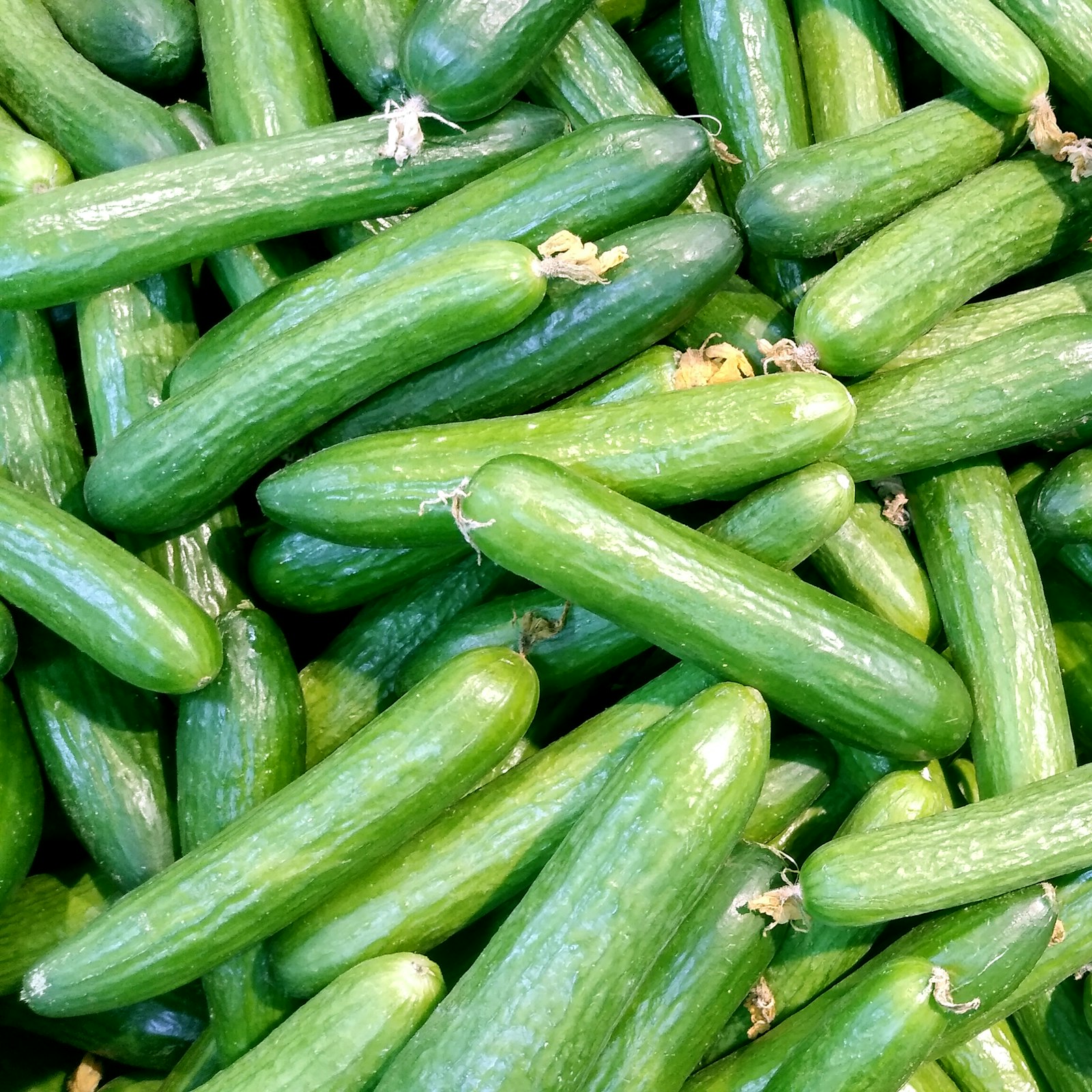
Cucumbers are one of the most rewarding crops you can grow from seed — fast, prolific, and genuinely better than anything from a grocery store. They’re also one of the most commonly bungled: planted too early into cold soil, crowded on the ground, or harvested a week too late when they’ve already turned seedy and bitter.
This guide covers the whole arc — from seed packet to harvest — the way we do it on the farm.
1. Pick the right variety for your space
Cucumbers split into two growth habits: vining types that sprawl 6–8 feet (and love a trellis), and bush types bred for containers and small beds. For flavor and reliability, our two workhorses are:
- ‘Marketmore 76’ — the classic slicing cucumber. Dark green, 8–9 inch fruits, dependable disease resistance, and open-pollinated so you can save the seed. Ready in about 58 days.
- ‘Lemon’ — a round, yellow heirloom that stays sweet and thin-skinned even when it gets big. Kids eat them like apples. About 65 days.
2. Wait for warm soil — really
The single biggest cucumber mistake is sowing too early. Cucumber seed doesn’t just dislike cold soil — it rots in it.
- Soil temperature: at least 65–70°F (18–21°C), measured 2 inches down in the morning. In most of the northern U.S., that’s 1–2 weeks after your last frost date.
- Air temperature: consistent nights above 55°F.
- Starting indoors: optional. Cucumbers germinate so fast outdoors that indoor starts only buy you about a week — and they hate root disturbance. If you do start inside, use peat pots 3 weeks before transplanting and move them before roots circle.
3. Sow correctly
- Sow seeds ½–1 inch deep, in warm, well-drained soil amended with compost.
- For trellised rows: space seeds 8–12 inches apart along the base of the trellis.
- For hills: plant 4–5 seeds per hill, hills 3 feet apart, then thin to the strongest 2 plants.
- Keep the bed evenly moist — not soggy — until emergence, usually 5–10 days in warm soil.
4. Trellis them — it’s not optional anymore
You can grow cucumbers on the ground, but you’ll fight three problems: fruit that yellows on the soil side, more disease pressure, and a bed eaten alive by vines. A simple cattle panel or string trellis fixes all three:
- Fruit hangs straight and stays cleaner — straighter cukes, no yellow bellies.
- Airflow reduces powdery mildew dramatically.
- You fit 2–3× more plants in the same footprint.
Train young vines onto the trellis by hand for the first week; after that their tendrils do the work.
5. Water and feed like you mean it
Cucumbers are 95% water — inconsistent watering is the number-one cause of bitter fruit.
- Deep water 1–2 inches per week, at the base, in the morning. Avoid wetting leaves.
- Mulch with straw or shredded leaves once plants are 6 inches tall — it holds moisture and keeps fruit clean.
- Feed with a balanced organic fertilizer or compost tea when vines start to run, and again at first fruit set.
6. Succession sow for a season-long harvest
One planting gives you a flood of cucumbers for three weeks, then decline. Instead, sow a new row every 2–3 weeks until mid-summer. You’ll harvest steadily into fall instead of drowning in cucumbers for a fortnight.
7. Harvest early and often — the window most people miss
Here’s the part that separates great cucumbers from bitter, seedy ones: pick them small and pick them often.
- Slicers like Marketmore are peak at 6–8 inches, still dark green and firm.
- Pickling types at 3–5 inches.
- Check plants every day at peak season — a cucumber can go from perfect to puffy in 48 hours.
- Use pruners or a knife; yanking tears vines.
“A cucumber left too long on the vine tells the plant it’s finished. Pick daily, and the plant keeps producing for weeks.”
An overripe fruit signals the plant to stop setting new ones. If you miss one, remove it anyway — compost it and keep picking.
Troubleshooting quick reference
| Symptom | Likely cause | Fix |
|---|---|---|
| Seedlings rot before emerging | Soil too cold or waterlogged | Wait for 65°F+ soil; improve drainage |
| Bitter fruit | Irregular watering or heat stress | Mulch + consistent deep watering |
| White powdery leaves | Powdery mildew | Trellis for airflow; resistant varieties like Marketmore |
| Flowers but no fruit | Early male-only flowers, or poor pollination | Be patient — female flowers follow; plant pollinator flowers nearby |
| Holes in leaves / wilted vines | Cucumber beetles | Row cover until flowering; hand-pick adults |
Save your own seed
Since our cucumbers are open-pollinated, you can save seed for next year — let one fruit fully mature on the vine until it turns yellow-orange and soft, scoop the seeds, ferment them in water for 2–3 days, rinse, and dry on a screen for two weeks. Full walkthrough in our Seed Saving 101 guide.